Asus ZenScreen MB16QHG Portable Monitor-review

The ZenScreen MB249C features a 2560 x 1600 resolution (16:10) IPS panel and doubles the refresh rate of typical portable monitors to 120Hz. Throw in good color performance, a robust stand and one of the brightest panels we’ve seen for a portable monitor, and the MB16QHG has a lot going for it.

The ZenScreen MB16QHG is on the larger side for a portable, although obviously smaller than the 23.8-inch ZenScreen MB249C. I could fit it inside a bag designed for a 15.4-inch laptop.

Like some other ZenScreen monitors, the MB16QHG featured a hinged base rather than a kickstand or detachable/magnetic stand. This makes the unit a bit heavier, but it is solid and provides easy access to the ports. I also like this design arrangement because the cables connect low-down at desktop level and behind the screen. This way, the cables are largely out of sight and out of mind when using the monitor. Some monitors position the ports along the right and left edges of the display panel, making them an eyesore.

[mai mult...]

Cytron Reka:Bit Review

The Raspberry Pi is the best way to learn coding, right? Not for everyone. For younger makers something like the micro:bit may be more accessible than our favorite single board computer?

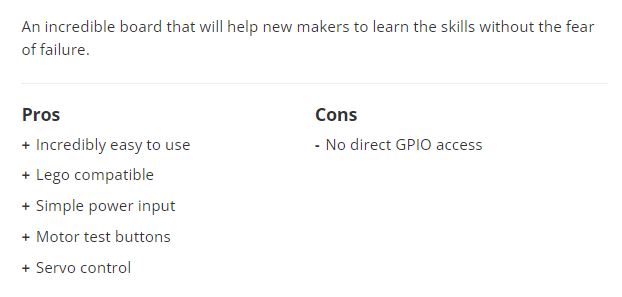
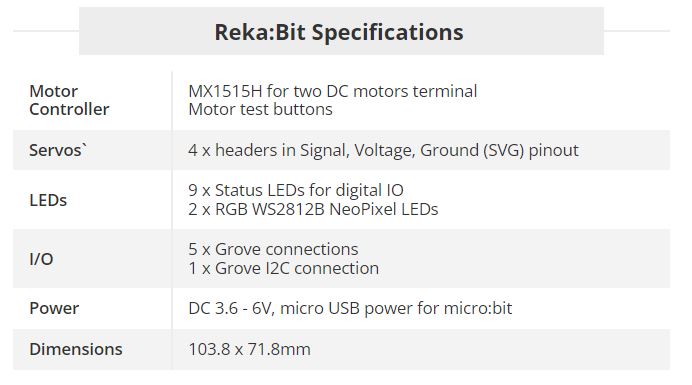
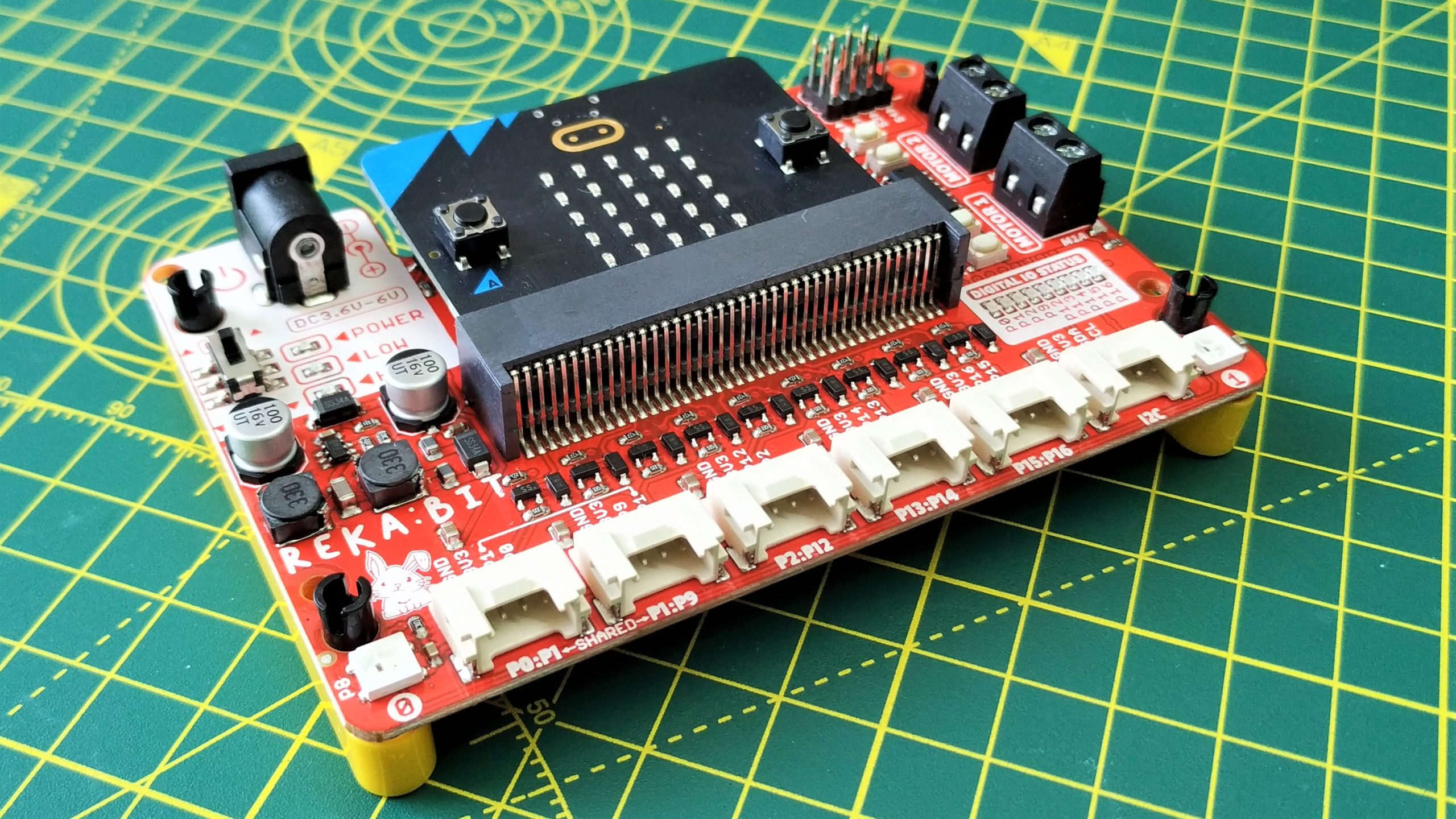
Cytron’s Reka:Bit is an interesting expansion board that works with both versions of the micro:bit. Being an expansion board it comes with a plethora of connection options, we can connect motors, servos, and sensors with no soldering. Onboard WS2812B NeoPixels provide an immediate means to make something cool, and from $18 the board is a good start for enquiring minds.

[mai mult...]

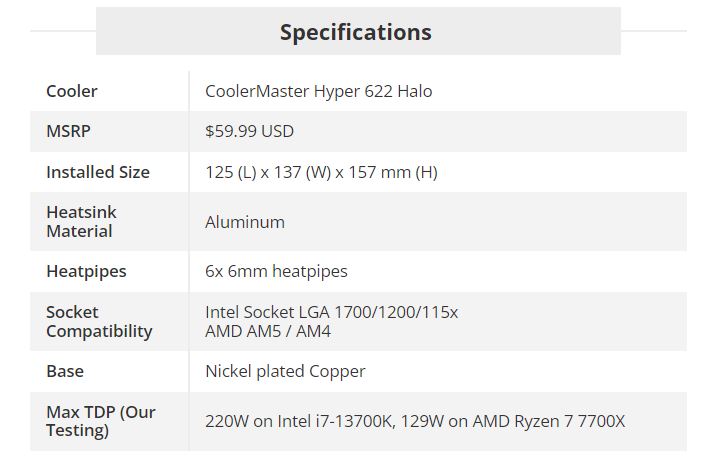
Cooler Master Hyper 622 Halo Review

Cooler Master has been busy updating its entire cooling lineup this year. We recently reviewed the MA824 Stealth air cooler, which impressed us with its high-end cooling performance, combined with quiet operation. We also recently tested the 360L Core, a low-priced AIO that rivals more expensive competitors.

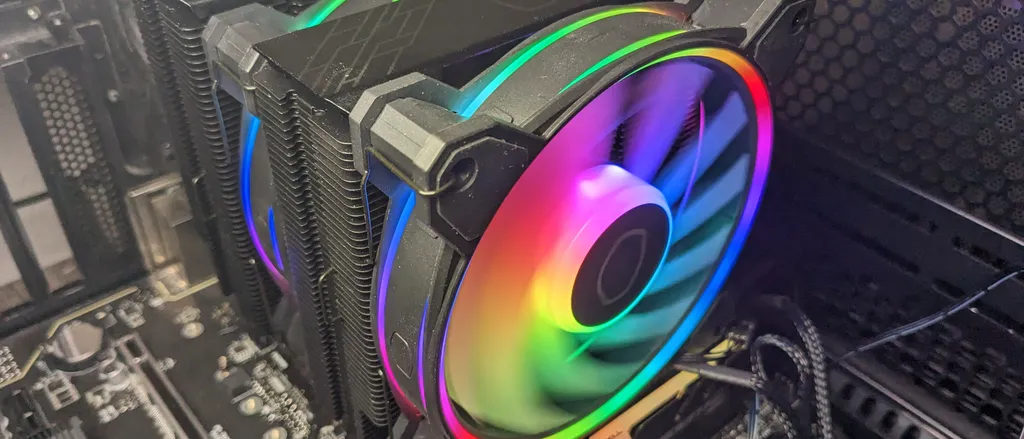
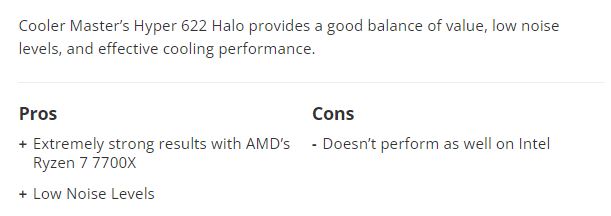
But today we’re looking at Cooler Master’s latest mid-range air cooler, the Hyper 622 Halo. This is a dual-tower successor to the company’s classic Hyper 212 air cooler, which was considered the standard for entry-level after-market air coolers for several years. The 622 Halo is paired with Cooler Master’s latest Halo2 series fans, which are optimized for strong performance at low noise levels.

[mai mult...]

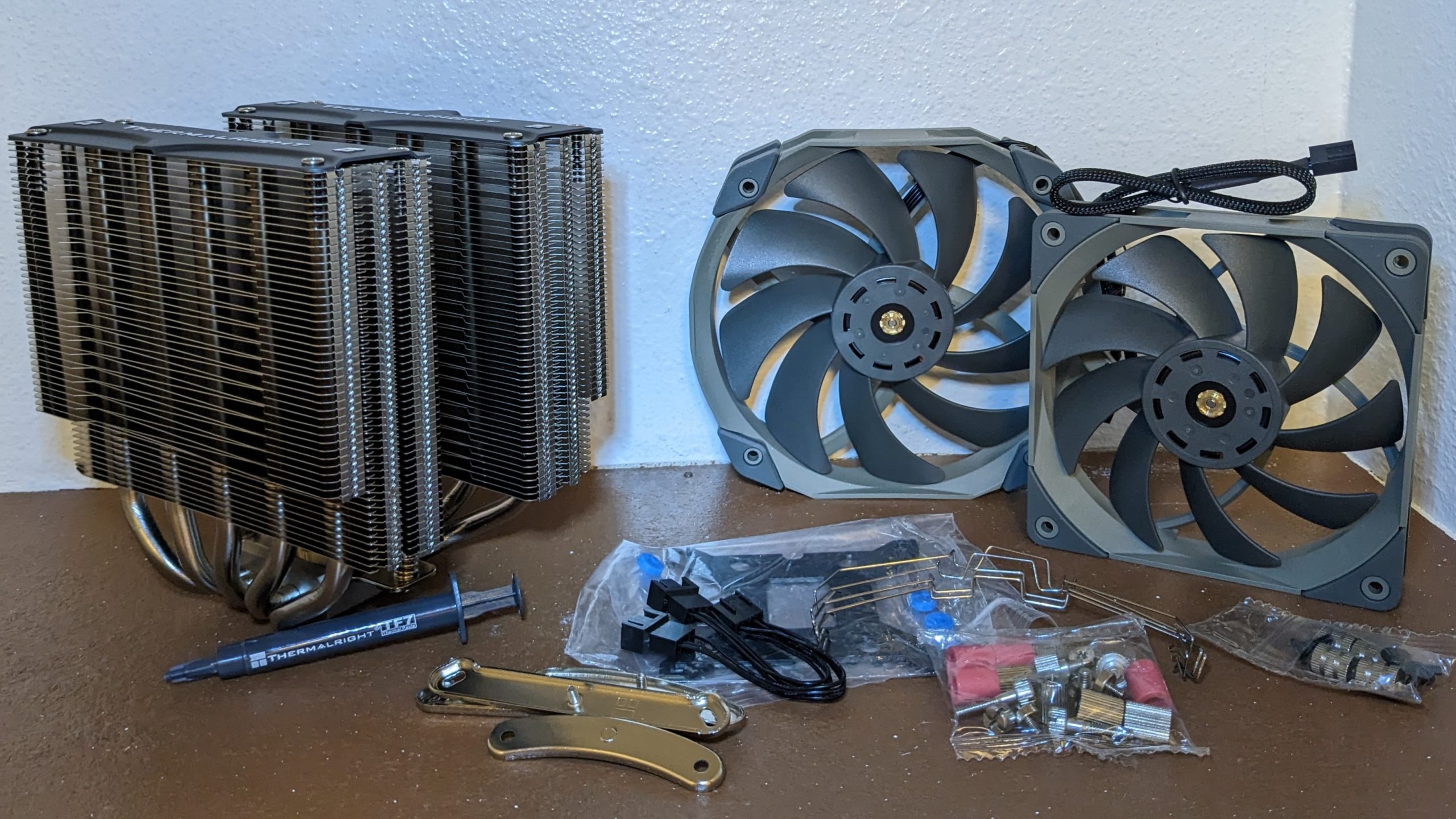
Thermalright Frost Commander 140 Review

Thermalright established itself as a top cooling contender in decades past, with options like its all-copper SP94 cooler. More recently, its Peerless Assassin is often considered the best value air cooler on the market these days. And we use the company’s LGA 1700 Contact Frame in our cooling reviews to keep socket bending at bay.

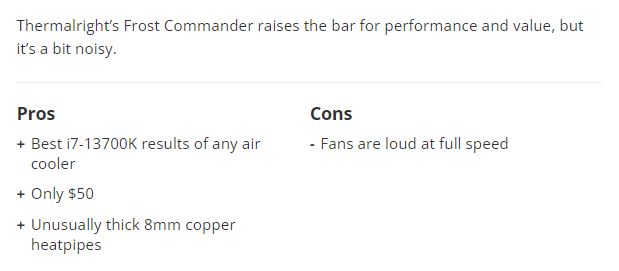
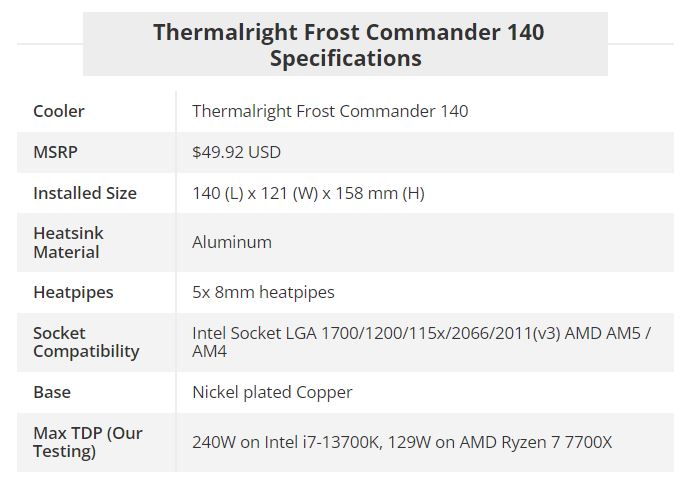
Today we’ll be looking at Thermalright’s Frost Commander 140, an air cooler with a bit more bulk than the company’s Peerless Assassin. Most air coolers on the market feature four to six 6mm heatpipes, but the Frost Commander features five thicker heatpipes with an 8mm thickness.

[mai mult...]

Khadas VIM1S Review

Alternatives to the mighty Raspberry Pi are numerous, the $299 Edge 2 Pro packs in up to 16GB of LPDDR4X and an octa-core CPU.

For a little less money there is the Khadas VIM 4, a $239 octo-core (2.2GHz Quad core ARM Cortex-A73 and 2.0GHz Quad core Cortex-A53 CPU) based machine with 8GB of LPDDR4X. As you can see, both of these boards retail for far higher prices than the Raspberry Pi 4 (yes they are back in stock now). So how can we get close to the Raspberry Pi price point?

Khadas’ answer is the VIM1S, a lower specification board that comes in at $65. It has a quad-core Arm CPU, 2GB of RAM and onboard 16GB eMMC. the VIM1S is more of something in between a Raspberry Pi 3B+ and Raspberry Pi 4, it lacks Gigabit Ethernet but has onboard eMMC.

Is it a viable Raspberry Pi alternative? Should we go for a slice of this over our favorite Raspberry Pi?

[mai mult...]

Cytron Robo Pico Review

Cytron, the Malaysian maker of some of the best Raspberry Pi and Raspberry Pi Pico add-ons is back with another add-on for the Raspberry Pi Pico. The $14 Robo Pico is a delightful platform for learning that builds upon previous Cytron boards, namely the Cytron Maker Pi RP2040, to provide a low cost and even lower friction entry point into Raspberry Pi Pico robotics.

Around the purple PCB are connections for motors, servos, Grove and Stemma QT (Maker port), Neopixels, buzzer and an onboard power management system to charge LiPo batteries. Supporting the board is your choice of Pico compatible programming language. Normally we are crying out for a module to abstract the complexities of a board, but in this case, CircuitPython handles all of that for us.

The board is densely packed with connections and each of them has a GPIO reference printed on the silkscreen. This feature is worth the price alone. We don’t need to reference a datasheet or website for the GPIO reference, it is right there on the board. Every component and connection has a GPIO reference, including extra information for the Grove and Maker ports which is printed on the reverse. Speaking of the reverse, the board will sit level on a desk, but not flat. There are a number of surface mount soldered components. If you want to secure the board to your project, use the four M3 screw points along with stand offs.

The design of Robo Pico is close to Cytron’s other Maker boards, but it closely resembles the Cytron Maker Pi RP2040. In fact the two are very closely matched. The only differences being the orientation of two Grove connectors and the Maker Pi RP2040 having an onboard RP2040 SoC. Robo Pico benefits from requiring a Pico to be inserted into the board, and that means we can use a Pico or Pico W in our projects. As long as Raspberry Pi retains the same form factor and pinout, we can use Robo Pico with future Raspberry Pi Pico boards.

[mai mult...]

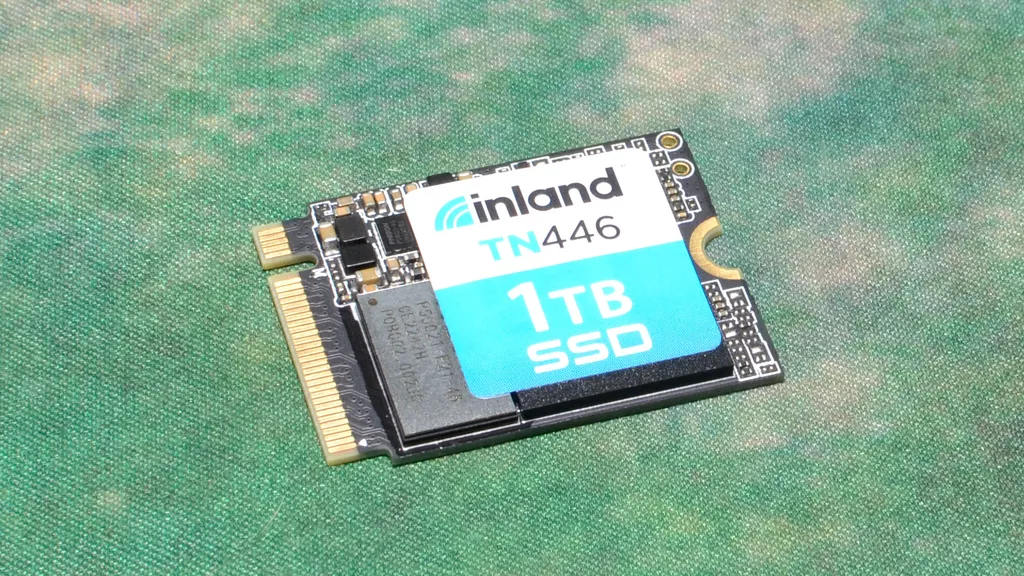
Inland TN446 SSD

Inland, Micro Center’s house or generic SSD brand, has made a name for itself with solid SSDs like the Gaming Performance Plus. It has even had some firsts with the PCIe 5.0 TD510 and the M.2 2230 TN436, and the latter was a popular pick to upgrade launch Steam Decks. Inland is now back with the newer TN446 to improve the formula with a drive you can easily pick up and install into your favorite portable system.

That’s never been easier to do with the growing list of 2230 SSDs on the market, but for those with access to a Micro Center, the TN446 may be especially worthy of interest. It uses TLC flash instead of the QLC on the Sabrent Rocket Q4 2230 and Addlink S91. And while the Rocket 2230 has a 256GB option, the TN436 does not.

The Inland TN436 is a welcome addition to the roster of retail M.2 2230 NVMe SSDs, perfect for upgrading the internal storage of your Steam Deck or ASUS ROG Ally. It joins a growing list of options with enough competition to drive prices down to reasonable levels. It has Inland’s typical six-year warranty, which is nice, but it lacks a software management suite. Luckily, there are free applications available. The drive performs well enough and efficiently enough to be a good choice if it’s priced right, and it’s particularly attractive at the 512GB capacity point.

[mai mult...]

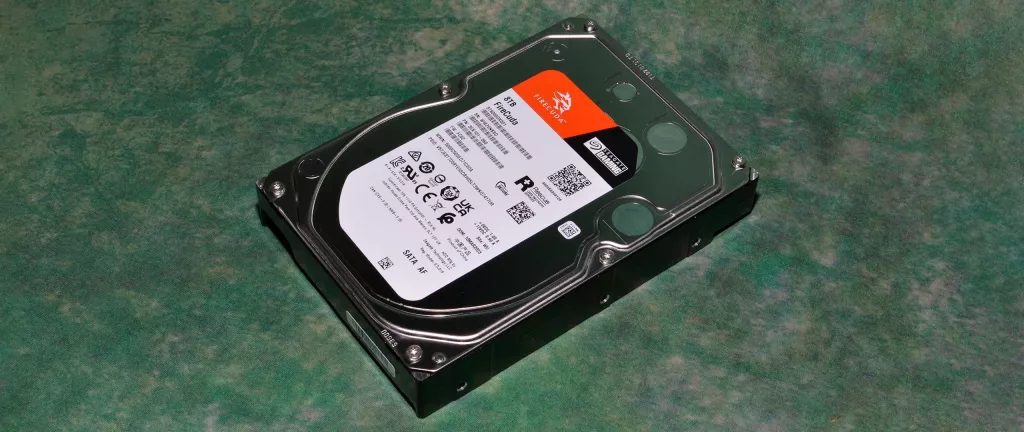
Seagate FireCuda 8TB HDD Review

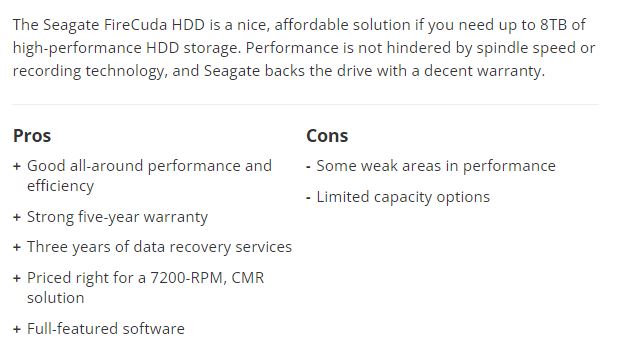
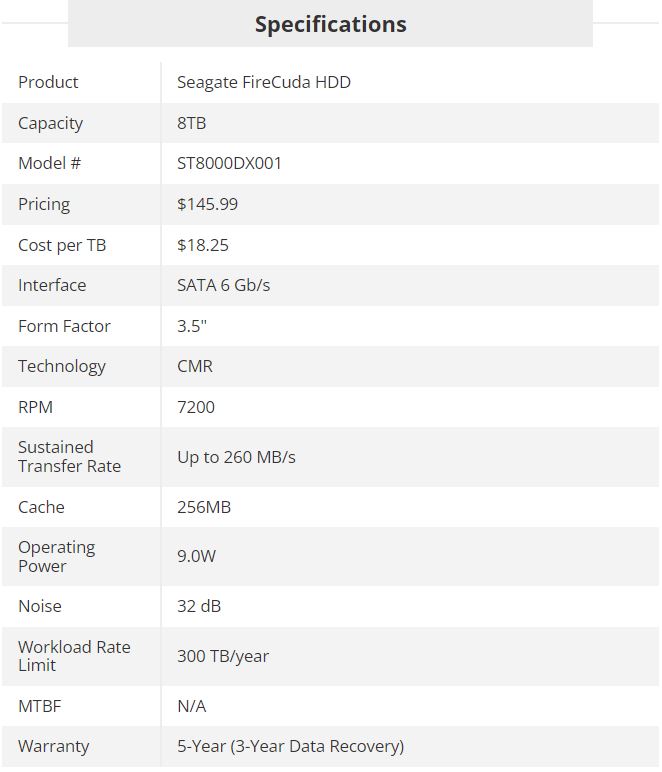
The Seagate FireCuda is a mechanical hard drive done right, providing expected performance and being backed by Seagate’s excellent warranty. Seagate didn’t compromise with this design, using high-performance CMR technology paired with a 7200 RPM spindle speed. It also offers the sweet spot of 8TB of capacity at a reasonable price per TB, making it perfect for general desktop use. There are reasons to drop down to 5400/5640 RPM if you have concerns about cost, heat, and noise, and that’s where the 8TB WD Blue would come in. However, the FireCuda offers the best all-around package available at this time.

Seagate hasn’t had the best reputation for HDD reliability in the past, but it’s difficult to find fault with its warranty. The Seagate FireCuda has the standard five-year warranty that includes Seagate’s three-year Rescue Data Recovery Services, which guarantees one attempt at data recovery (Seagate claims a relatively good 90% track record for recoveries). Seagate also provides software to cover the most common storage processes, which makes the FireCuda a drop-in solution. It’s not the fastest drive on the market, but its performance is more than adequate for use as general storage. Its biggest shortcoming is perhaps that it’s not offered in larger capacities.

[mai mult...]

Seagate FireCuda 540 SSD Review

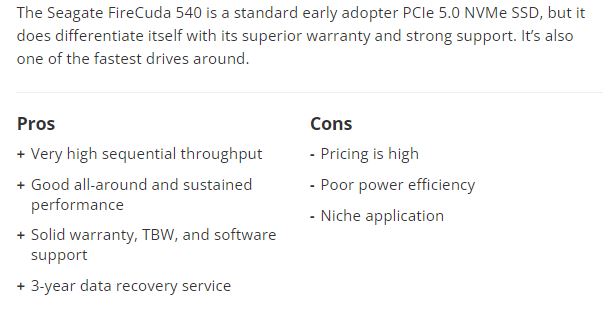
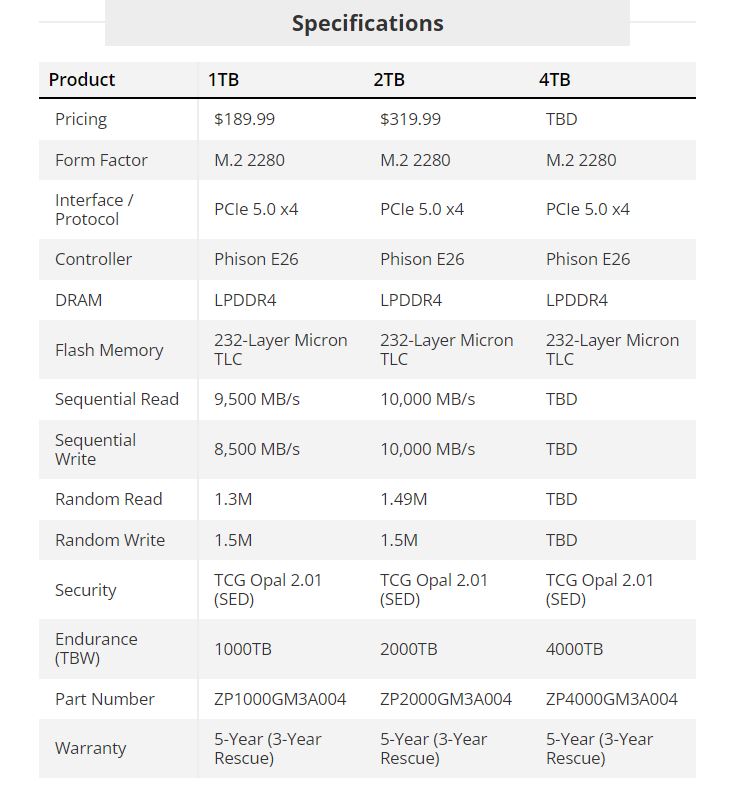
The Seagate FireCuda 540 is a fast, reliable PCIe 5.0 NVMe SSD that sets itself apart with an excellent warranty. The FireCuda’s performance is also good to excellent across the board, including in sustained workloads, which helps gear this drive for future DirectStorage game titles. It requires a PCIe 5.0-capable motherboard to take full advantage, particularly one with built-in M.2 cooling as the drive arrives bare, and pricing is also on the high end. Seagate’s attention to detail on this drive makes it a good fit for workstations, too, if you can apply your own cooling.

The initial instinct is to compare the FireCuda 540 to the Corsair MP700, a drive that shares the same hardware and also goes with the bare-drive approach. The E26’s reference heatsink, used on the Inland TD510, comes with a small fan for active cooling that’s annoying to power, noisy, and generally useless, so doing away with that is a good plan. It also makes sense to let the user decide how to cool the drive, as matching aesthetics is important with high-end machines. Having a different option, as does the Crucial T700 and Gigabyte Aorus 10000, is viable, but Seagate wanted something simple with this drive.

In my opinion, that works in Seagate’s favor. The three-year data recovery service is an excellent addition that sets it apart from the MP700. The TD510 has an extra year of warranty, but the FireCuda 540 compensates with a higher TBW endurance rating. This drive avoids risk by using the standard pSLC caching configuration, but attention is also paid to flash quality, including mitigating the possibility of counterfeit hardware. It manages to differentiate itself in a challenging space by focusing on what Seagate does right, and the fingerprints on it suggest the company’s experience in enterprise played a role.

However, these benefits come at a cost. The recovery service and higher TBW come with an elevated price tag. The TBW rating, in particular, may seem outlandishly high, but FireCuda drives historically have been excellent for write caching. The conservative pSLC cache design helps with that type of workload, too. The drive also supports hardware encryption which is often lacking in consumer products. Overall, these deviations help separate the FireCuda 540 sufficiently from the pack, but you have to judge whether or not it’s worth the price premium to get an added bit of security.

[mai mult...]

Crucial T700 SSD Review

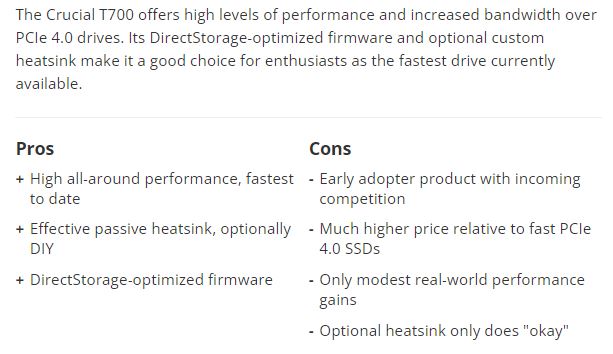
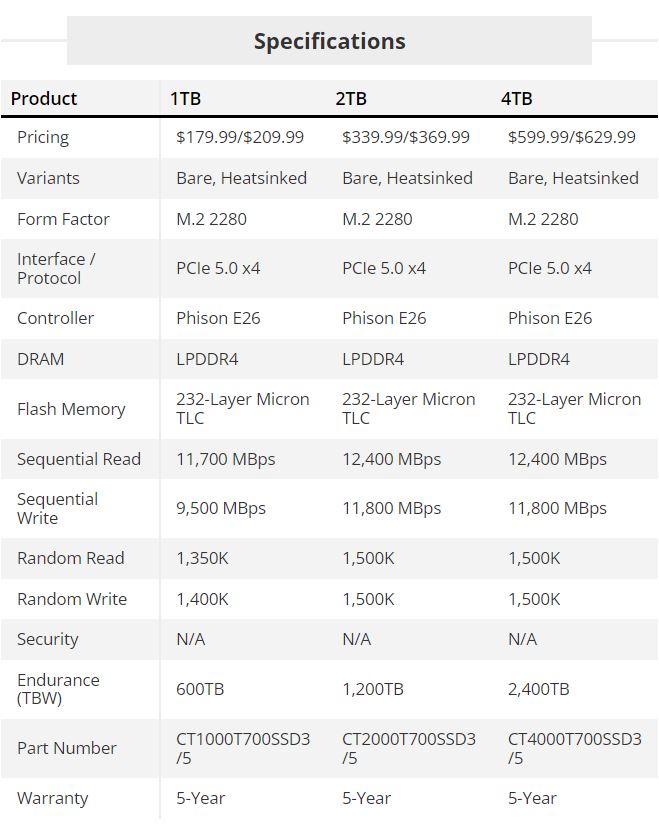
The Crucial T700 sets a new bar in performance for consumer SSDs, pushing speed higher than any other PCIe 5.0 NVMe drive on the market. It reigns as the king of the hill for sequential bandwidth and random IOPS, at least for now. Its native DirectStorage firmware optimization is an added benefit over almost all PCIe 4.0 SSDs for future gaming, as well. Crucial departs from the reference heatsink design with its own effective solution while also offering a cheaper, bare-drive variant for easier installation with motherboard and custom M.2 heatsinks. Together, this makes it a nice option for enthusiasts and early adopters.

The T700 is part of a wave of PCIe 5.0 SSDs about to deluge the consumer SSD market, all so far based on the same Phison E26 controller and Micron flash. This puts pressure on the manufacturers to differentiate their products in other ways, particularly with cooling. This could bring some innovation to the market, but current industry trends have created lingering concerns about the future of NAND that could eventually reduce the buyer’s pricing advantage from such competition.

Competing controllers are also on the way with InnoGrit’s IG5666 and SMI’s SM2508, and flash of the 232-Layer generation should be in wider production from Micron and other manufacturers. Faster drives based on the Phison E26 SSD Controller have also been announced offering up to 14 GBps, so early drives like the T700 have a limited window to shine. We’ll know more after Computex, which is currently underway, but many of these drives won’t be available until later in the year.

[mai mult...]